









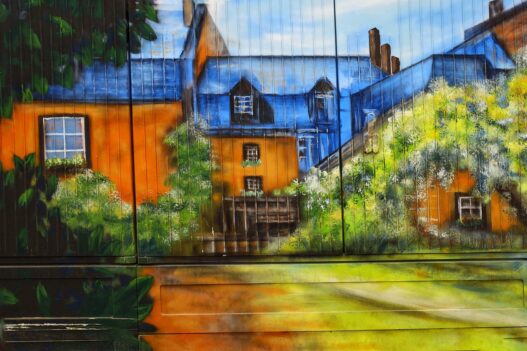
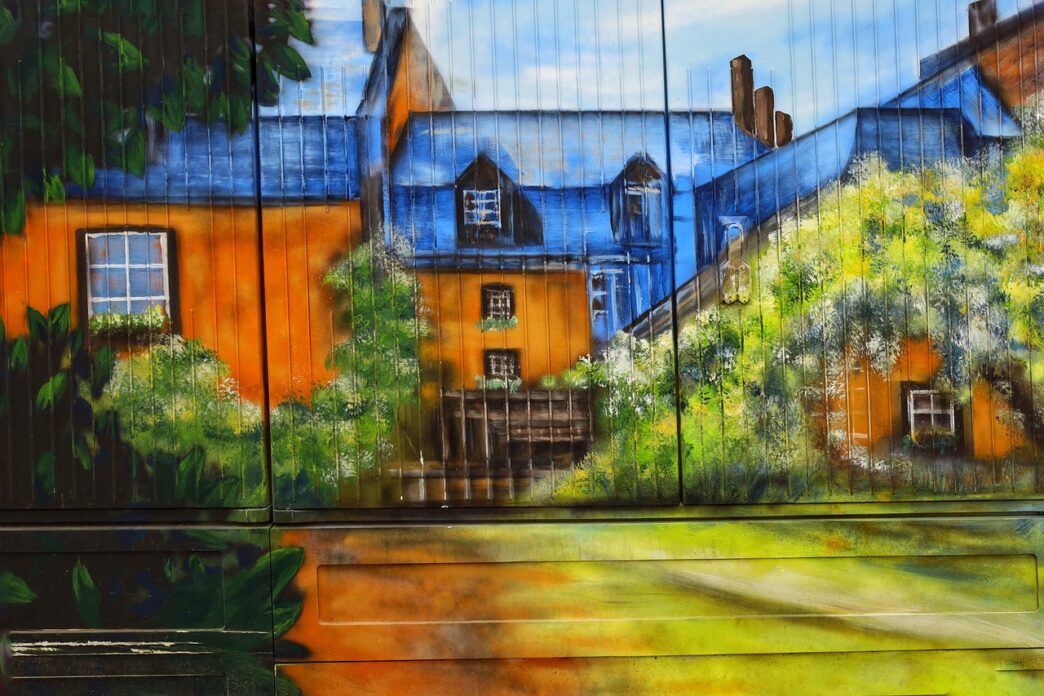
Street art has long surpassed being just an element of city aesthetics — today it acts as a powerful tool shaping and reflecting a city’s uniqueness. Murals, graffiti, and installations around the world become iconic landmarks, changing how spaces are perceived and fostering community.
How Street Art Reflects Local Culture and Identity
- Local narratives and symbols
Artists incorporate historical events, folk legends, and iconic imagery to connect art with local culture and traditions. - Thematic projects
Cities implement socially relevant themes — from ecology and sustainability to social justice — helping shape collective consciousness. - Dialogue with residents
Street art engages people in cultural processes, making art accessible and reinforcing the idea that the city belongs to all.
Street Art and Urban Space Transformation
Neglected or abandoned areas turn into vibrant art clusters and hubs attracting tourists and local youth.
| City | Street Art Project | Impact |
|---|---|---|
| Melbourne | Laneways Street Art | Revitalized neglected laneways, boosted tourism |
| Berlin | Urban Art Projects | Transformed abandoned buildings into creative spaces |
| Rio de Janeiro | Favela Painting | Supported community, enhanced aesthetics and safety |
Modern Trends and Technologies in Street Art
- Integration of augmented reality (AR) that animates murals and enables interaction via smartphones.
- Use of eco-friendly materials and techniques addressing sustainability in art and urban environments.
- Emphasis on multimedia and interactive projects creating immersive experiences and expanding audience reach.
Why Street Art Matters for Urban Identity
- Preserves and promotes cultural diversity by reflecting unique city stories and characters.
- Fosters social cohesion by creating spaces for dialogue and creative activity.
- Enhances aesthetic environment, improving residents’ quality of life and city appeal.
In 2025, street art becomes an integral part of urban identity, uniting history, modernity, and innovation. It is a living, dynamic phenomenon giving a city voice and shaping a unique face crucial for both residents and visitors alike.