









In 2025, wellness and mental health have become top priorities in interior design. People increasingly understand that their surroundings directly influence mood, stress levels, and productivity. Designers and architects create spaces that are not only beautiful but also support physical and emotional health.
Key Elements of Well-Being Design
- Natural light and proper lighting
Maximizing daylight reduces stress and improves mood. Soft light sources and adjustable brightness create comfort at any hour. - Color palette and its effects
Cool tones (blue, green, lavender) calm, while warm bright colors (orange, yellow) energize and stimulate creativity. - Biophilic design
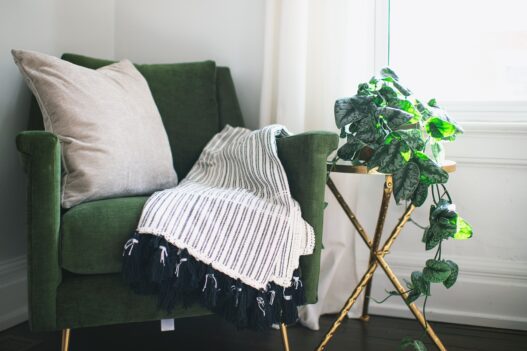
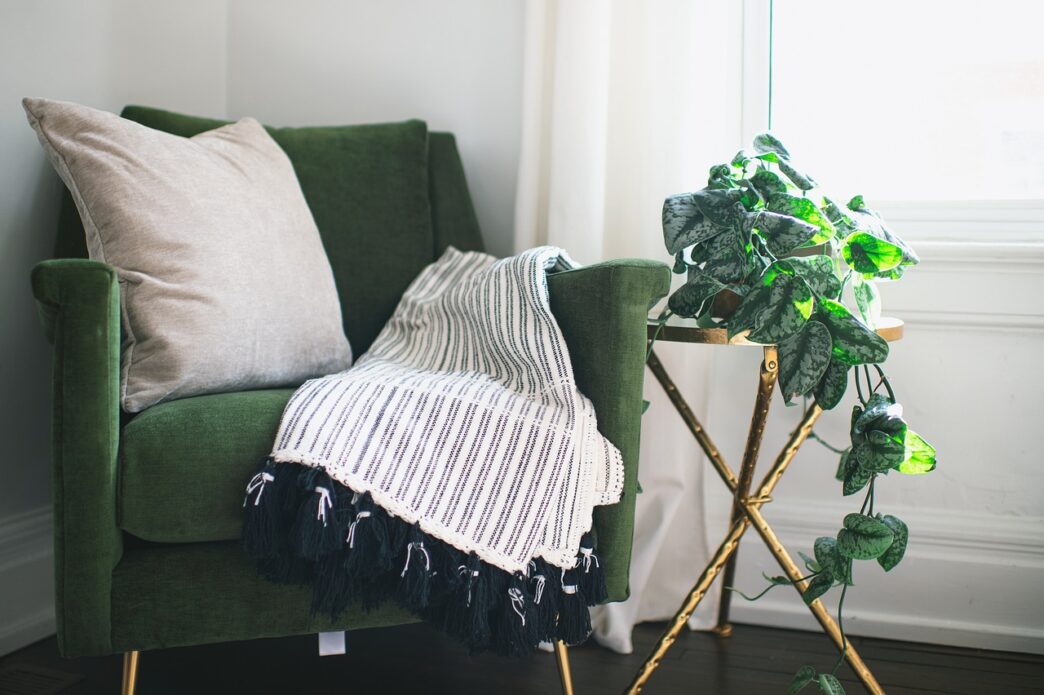
Incorporating natural materials and plants restores connection with nature and enhances emotional comfort. - Space and organization
Open, uncluttered spaces reduce anxiety. Cleanliness and order promote mental calmness. - Acoustic comfort
Silence and sound balance help the brain relax and improve focus. Sound-absorbing materials are trending.
Design Elements and Their Impact on Well-Being
| Design Element | Impact on Health and Mood | Practical Recommendations |
|---|---|---|
| Natural lighting | Increases serotonin, reduces depression | Increase windows, use adjustable LEDs |
| Colors | Affect emotional background and activity | Choose palettes according to room purposes |
| Biophilia | Reduces anxiety, boosts creativity | Add live plants and natural materials |
| Space organization | Lowers stress, improves concentration | Declutter, use storage solutions |
| Acoustics | Promotes relaxation and productivity | Zone rooms, use sound-absorbing panels |
Contemporary Well-Being Design Trends 2025
- Silent Architecture — creating quiet, peaceful zones focusing on soundproofing and natural soundscapes.
- Dopamine Décor — using colors, shapes, and textures that stimulate happiness hormones.
- Multi-sensory Spaces — design that engages all senses: textures, lighting, sounds, and scents.
- Eco-friendly and Sustainable Design — caring not only for inhabitants but also for the planet.
Well-being centered interior design is not just a trend, but a necessity for modern living. It helps people feel better, live mindfully, and be more productive. In 2025, such design is becoming a standard, shaping spaces for health and harmony.